Hello, I’m Jash Patel,
Hello, I’m Jash Patel,
Hello, I’m Jash Patel,
Designer who loves solving problems through intuitive and engaging digital experiences.
Designer who loves solving problems through intuitive and engaging digital experiences.
Digital Product Designer | Crafting Engaging UI/UX & AR/VR Experiences
Scroll For More
My Top Projects
Digital Products
3D Projects
AR/VR Projects
Motion Graphics Projects
Transforming Ideas into Functional Digital Experiences
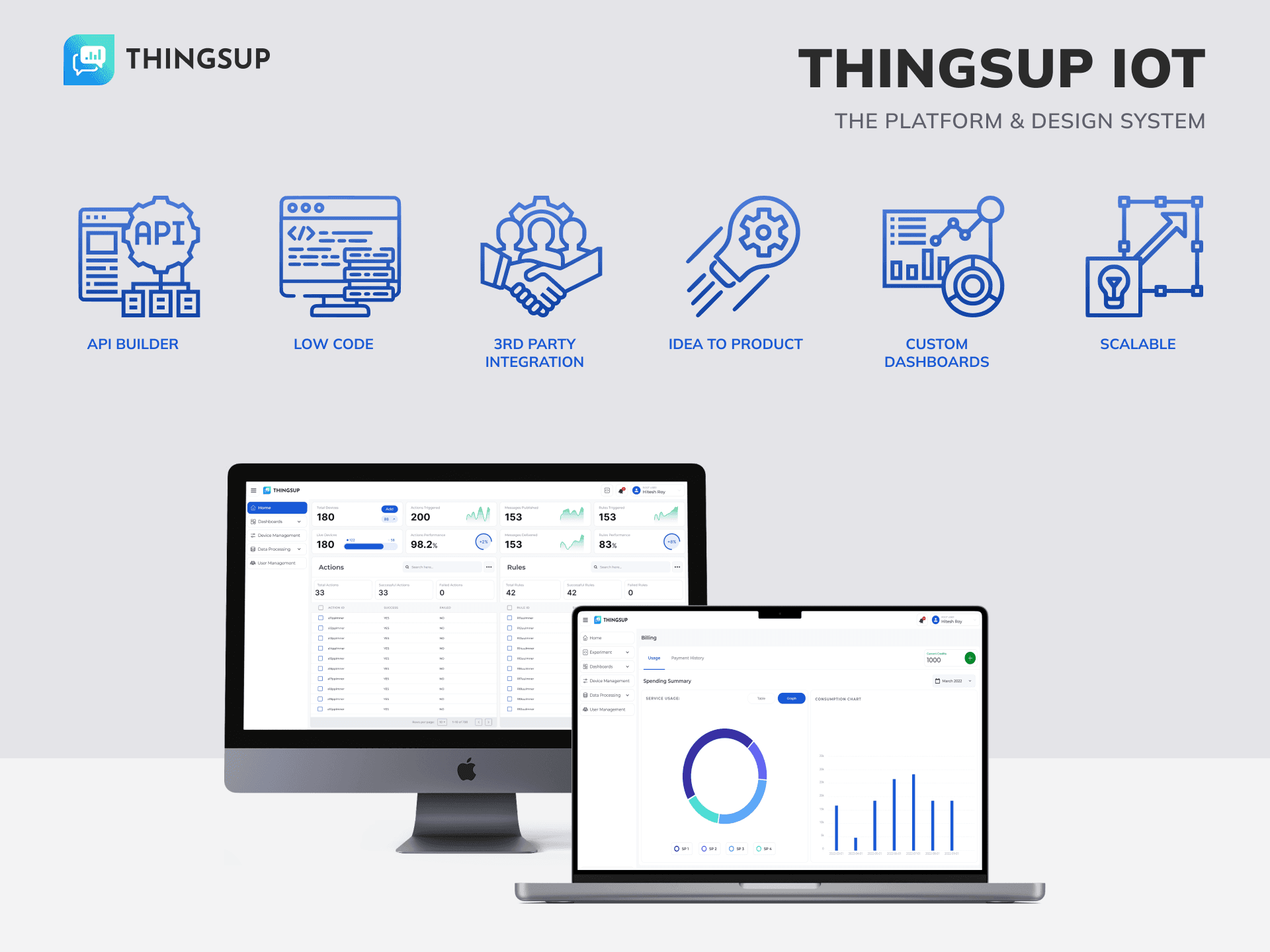
From IoT platforms to mobile applications, I design digital products that enhance user interaction and solve complex problems with ease.
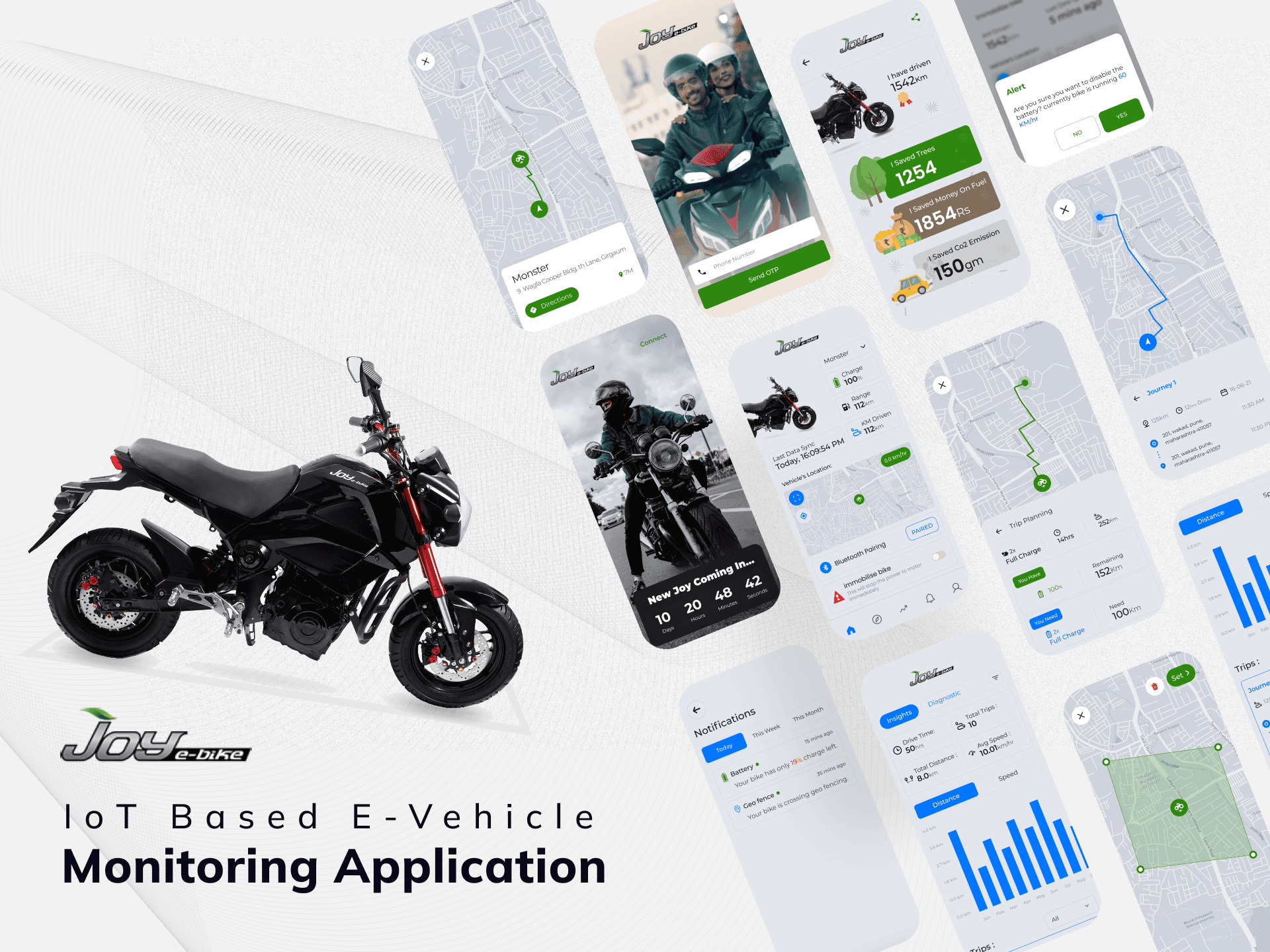
Joy E Bike UI
Figma
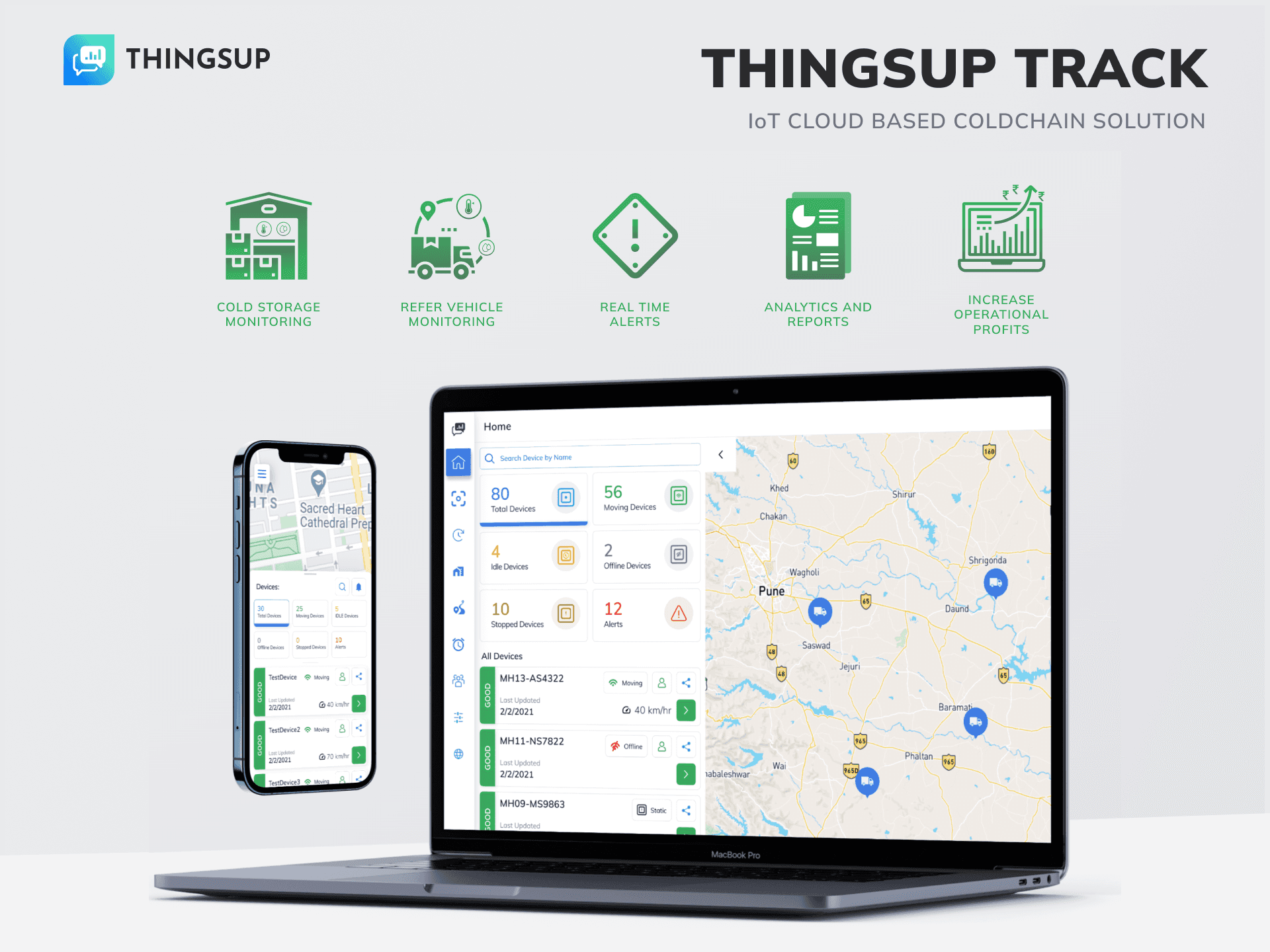
Thingsup - Temperature and Door Sensor Installation
After Effects
Digital Products
3D Projects
AR/VR Projects
Motion Graphics Projects
Transforming Ideas into Functional Digital Experiences
From IoT platforms to mobile applications, I design digital products that enhance user interaction and solve complex problems with ease.
Joy E Bike UI
Figma
Thingsup - Temperature and Door Sensor Installation
After Effects
Digital Products
3D Projects
AR/VR Projects
Motion Graphics Projects
Transforming Ideas into Functional Digital Experiences
From IoT platforms to mobile applications, I design digital products that enhance user interaction and solve complex problems with ease.
Joy E Bike UI
Figma
Thingsup - Temperature and Door Sensor Installation
After Effects
Process
Design is more than aesthetics—it's about creating meaningful connections between ideas and users. My design process serves as a compass, guiding every project from exploration to execution with creativity, precision, and user-centricity. By seamlessly blending strategy with innovation, this dynamic framework ensures that every product journey aligns with user desires and business objectives.
01
Discovery
Objective: Understand the problem, the users, and the market landscape.
Activities: Conduct user interviews, surveys, and competitor analysis to gather qualitative and quantitative insights.
Outcome: A clear understanding of user needs, pain points, and market gaps forms the foundation for an impactful solution.
Define
Objective: Translate insights into actionable goals and design strategies.
Activities: Create personas, define user journeys, and prioritize features through story mapping and requirement workshops.
Outcome: A well-defined project scope and a clear roadmap ensure alignment with stakeholders and users.
02
Ideation
Objective: Explore innovative solutions to solve user problems.
Activities: Brainstorm ideas, sketch wireframes, and iterate concepts through low-fidelity prototypes.
Outcome: A range of creative concepts is evaluated and refined, laying the groundwork for the final design.
03
Design
Objective: Develop high-fidelity designs that balance functionality with visual appeal.
Activities: Create interactive prototypes, establish design systems, and ensure consistency with style guides.
Outcome: A polished, user-centric design ready for validation and development.
04
Validation
Objective: Test the design with real users to identify potential improvements.
Activities: Conduct usability testing, A/B testing, and gather feedback through iterative design cycles.
Outcome: Data-driven refinements ensure the design meets user expectations and business objectives.
05
Execution
Objective: Translate designs into functional products with seamless collaboration between design and development teams.
Activities: Handoff detailed design specifications, collaborate on development, and address implementation feedback.
Outcome: A fully realized product, ready to make an impact in the hands of users.
06
Iteration
Objective: Adapt and improve the product based on real-world performance and user feedback.
Activities: Analyze user data, gather post-launch feedback, and implement enhancements.
Outcome: A product that evolves with changing user needs and stays ahead of the competition.
07
Process
Design is more than aesthetics—it's about creating meaningful connections between ideas and users. My design process serves as a compass, guiding every project from exploration to execution with creativity, precision, and user-centricity. By seamlessly blending strategy with innovation, this dynamic framework ensures that every product journey aligns with user desires and business objectives.
01
Discovery
Objective: Understand the problem, the users, and the market landscape.
Activities: Conduct user interviews, surveys, and competitor analysis to gather qualitative and quantitative insights.
Outcome: A clear understanding of user needs, pain points, and market gaps forms the foundation for an impactful solution.
Define
Objective: Translate insights into actionable goals and design strategies.
Activities: Create personas, define user journeys, and prioritize features through story mapping and requirement workshops.
Outcome: A well-defined project scope and a clear roadmap ensure alignment with stakeholders and users.
02
Ideation
Objective: Explore innovative solutions to solve user problems.
Activities: Brainstorm ideas, sketch wireframes, and iterate concepts through low-fidelity prototypes.
Outcome: A range of creative concepts is evaluated and refined, laying the groundwork for the final design.
03
Design
Objective: Develop high-fidelity designs that balance functionality with visual appeal.
Activities: Create interactive prototypes, establish design systems, and ensure consistency with style guides.
Outcome: A polished, user-centric design ready for validation and development.
04
Validation
Objective: Test the design with real users to identify potential improvements.
Activities: Conduct usability testing, A/B testing, and gather feedback through iterative design cycles.
Outcome: Data-driven refinements ensure the design meets user expectations and business objectives.
05
Execution
Objective: Translate designs into functional products with seamless collaboration between design and development teams.
Activities: Handoff detailed design specifications, collaborate on development, and address implementation feedback.
Outcome: A fully realized product, ready to make an impact in the hands of users.
06
Iteration
Objective: Adapt and improve the product based on real-world performance and user feedback.
Activities: Analyze user data, gather post-launch feedback, and implement enhancements.
Outcome: A product that evolves with changing user needs and stays ahead of the competition.
07
Process
Design is more than aesthetics—it's about creating meaningful connections between ideas and users. My design process serves as a compass, guiding every project from exploration to execution with creativity, precision, and user-centricity. By seamlessly blending strategy with innovation, this dynamic framework ensures that every product journey aligns with user desires and business objectives.
01
Discovery
Objective: Understand the problem, the users, and the market landscape.
Activities: Conduct user interviews, surveys, and competitor analysis to gather qualitative and quantitative insights.
Outcome: A clear understanding of user needs, pain points, and market gaps forms the foundation for an impactful solution.
Define
Objective: Translate insights into actionable goals and design strategies.
Activities: Create personas, define user journeys, and prioritize features through story mapping and requirement workshops.
Outcome: A well-defined project scope and a clear roadmap ensure alignment with stakeholders and users.
02
Ideation
Objective: Explore innovative solutions to solve user problems.
Activities: Brainstorm ideas, sketch wireframes, and iterate concepts through low-fidelity prototypes.
Outcome: A range of creative concepts is evaluated and refined, laying the groundwork for the final design.
03
Design
Objective: Develop high-fidelity designs that balance functionality with visual appeal.
Activities: Create interactive prototypes, establish design systems, and ensure consistency with style guides.
Outcome: A polished, user-centric design ready for validation and development.
04
Validation
Objective: Test the design with real users to identify potential improvements.
Activities: Conduct usability testing, A/B testing, and gather feedback through iterative design cycles.
Outcome: Data-driven refinements ensure the design meets user expectations and business objectives.
05
Execution
Objective: Translate designs into functional products with seamless collaboration between design and development teams.
Activities: Handoff detailed design specifications, collaborate on development, and address implementation feedback.
Outcome: A fully realized product, ready to make an impact in the hands of users.
06
Iteration
Objective: Adapt and improve the product based on real-world performance and user feedback.
Activities: Analyze user data, gather post-launch feedback, and implement enhancements.
Outcome: A product that evolves with changing user needs and stays ahead of the competition.
07
My Tech Stack
Figma

Framer
Unity
Spline

Balsamiq

Rive

Unreal Engine
Davinci Resolve

Slack

Webflow

Blender

Creative Cloud

Invision Studio

Meta Studio

Protopie

Google Analytics

Jira
Asana

Trello
Figma
Framer
Unity
Spline
Balsamiq
Rive
Unreal Engine
Davinci Resolve
Slack
Webflow
Blender
Creative Cloud
Invision Studio
Meta Studio
Protopie
Google Analytics
Jira
Asana
Trello
Connect to Content
Add layers or components to make infinite auto-playing slideshows.

Let's be in touch!
Feel free to contact me if having any questions. I'm available for new projects or just for chatting.
Let's be in touch!
Feel free to contact me if having any questions. I'm available for new projects or just for chatting.
Let's be in touch!
Feel free to contact me if having any questions. I'm available for new projects or just for chatting.